


Pakistan urged to strengthen human capital to fully benefit from China partnership
 Rabbia Zafar
|
15 minutes ago
Rabbia Zafar
|
15 minutes ago
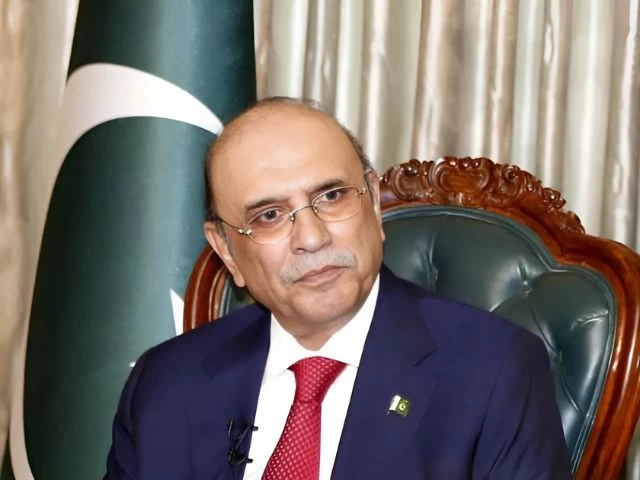
A recent analysis highlights that Pakistan must address structural weaknesses in education, healthcare, governance, and regional connectivity to fully benefit from its deepening strategic partnership with China and ongoing CPEC 2.0 initiatives.
Following President Asif Ali Zardari’s recent visit to China, both countries have reaffirmed their commitment to expanding cooperation in key sectors, including industry, agriculture, security, and socio-economic development. The visit also underscored efforts to accelerate Special Economic Zones (SEZs) under the China-Pakistan Economic Corridor (CPEC), which are expected to play a central role in Pakistan’s industrialisation and long-term growth.
According to the analysis, investors increasingly evaluate not only economic incentives but also the quality of human capital, healthcare systems, and education infrastructure when making investment decisions. Pakistan’s current human capital index score of 0.41 reflects low productivity levels, largely driven by limited access to quality education and inadequate health facilities.
Experts note that while Pakistan has a literacy rate of around 63%, the quality-adjusted education outcomes are significantly lower due to gaps in schooling standards and skill development. Health challenges, including a 38% stunting rate and poor maternal nutrition, further impact long-term productivity and workforce readiness.
The report also raises concerns over informal consultancy networks that claim influence within government institutions, warning that such practices may harm Pakistan’s reputation among foreign investors by reinforcing perceptions of corruption and inefficiency.
Additionally, it stresses the need for a balanced approach to climate change communication. While acknowledging Pakistan’s vulnerability, it cautions against overly pessimistic narratives that could discourage investment. Instead, it recommends focusing on adaptation strategies and resilience planning.
Finally, the analysis highlights Pakistan’s underdeveloped regional connectivity as a missed opportunity for trade expansion, noting that limited access to neighbouring markets reduces the attractiveness of large-scale investment projects.
The report concludes that while China remains committed to supporting Pakistan’s economic revival, sustained progress will depend on domestic reforms that improve governance, strengthen human capital, and enhance economic credibility.

Three killed in remote-controlled blast near Wana Rustom Bazaar
Trump weighs Iran military options amid rising domestic political backlash
Pakistan urged to strengthen human capital to fully benefit from China partnership

Experts warn hypertension causes 400,000 deaths annually in Pakistan

Former husband of Anmol alias Pinky linked to drug network, police reveal

KP issues advisory as Congo virus precautions urged at livestock markets
Two police personnel martyred in M9 motorway collision involving dumper truck


2 minutes ago
7 minutes ago

15 minutes ago
25 minutes ago
31 minutes ago

36 minutes ago
- US President Donald Trump has placed military options against Iran back under consideration as diplomatic talks stall and political divisions…
- Global oil prices extended their upward momentum on Monday as escalating tensions between the United States and Iran, along with…
 China has pledged to purchase at least $17 billion worth of US agricultural products between 2026 and 2028, according to…
- Global oil prices have surged once again amid renewed concerns over rising tensions between the United States and Iran, which…


- Health experts have warned that high blood pressure, also known as hypertension, has become a major public health challenge in…
 A major shift in medical terminology has been announced for Polycystic Ovarian Syndrome (PCOS), a common hormonal disorder affecting millions…
 Health authorities are working to contain a potential international spread of hantavirus after new suspected cases emerged across multiple countries,…
 The Indus Hospital, located in Karachi’s Korangi area, has earned widespread recognition for providing free and quality healthcare services to…



- At least three people were killed and four others injured…2 minutes ago
- US President Donald Trump has placed military options against Iran…7 minutes ago
- A recent analysis highlights that Pakistan must address structural weaknesses…15 minutes ago
- Health experts have warned that high blood pressure, also known…25 minutes ago